
ARTIST’S STATEMENT
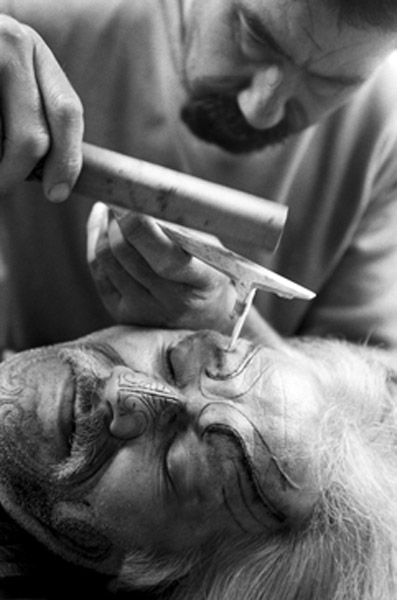
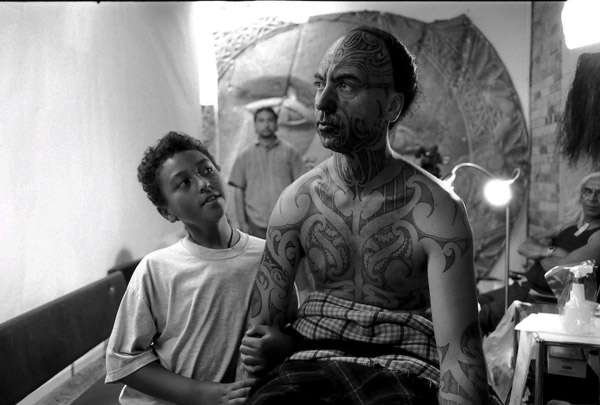
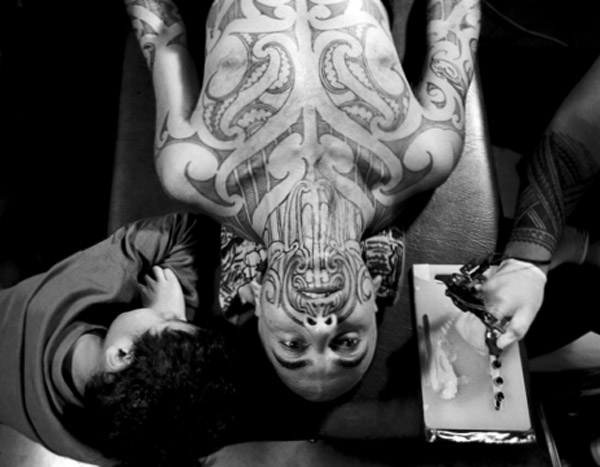
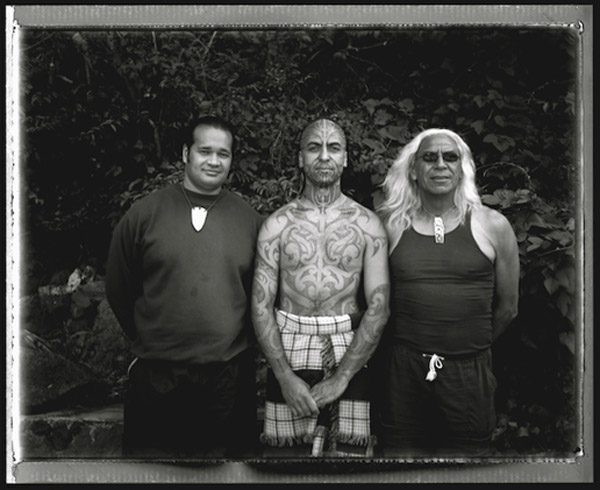
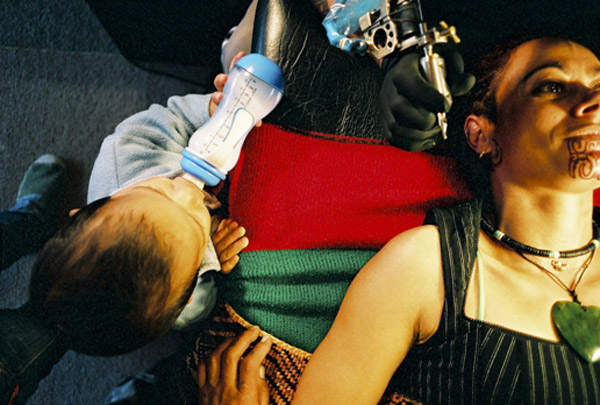
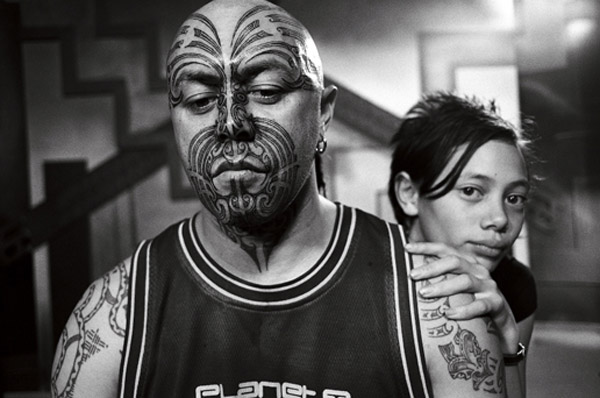
“The images highlight the strength of human-to-human connections and how this deeply personal contact is essential in the exchange of facial moko. They signify how unity in the world is impossible if we do not celebrate who we are and are confined to judging each other by face value alone”
I started the Face Value project in 2000 after a year of traveling and photographing a number of cultural social documentary stories. One of my aims was to counteract the fascination held by the international media and popular culture with stereotypical portrayals of M????ori wearing ‘fierce’ facial tattoo that repeatedly highlighted a public misrepresentation of the art form.
I was not interested in the generic context of moko, nor in the history or politics of the process. I am neither an anthropologist nor an academic specializing in such things. My intention was to find out what the traditional facial tattoo meant to the individual and how it came about in this fast changing world.
These images are personal, with each person sharing their knowledge pertaining to their experience with the moko. This is not a body of work that covers the whole M????ori perspective of facial moko. It is about six personal stories presented exactly as they are.
I have discovered that there are political and cultural issues attached to the idea of what moko is today, and the points of view are varied depending on age, gender, tribal affiliation, knowledge and personal experience.
The subjects did not choose to discuss regional differences, political acts or approval from elders. We talked about the experience within their own process – each uniquely personal and special.
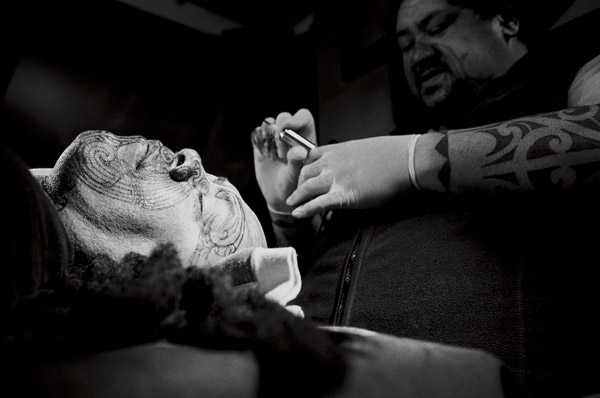
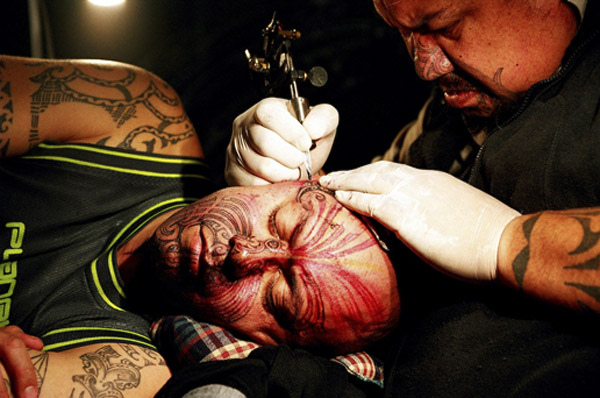
The work is about the relationship between the artist and the recipient; it is about the individual’s connection to their own personal reasons for taking on the facial moko.
I have spent eight years working closely with the people featured and with many others. I feel reassured that they all appreciate how their stories are represented. This has been achieved by building trust, taking time and paying attention to detail in the communication process and by the mutual respect that developed. It was a great privilege to be able to photograph and film these events.
Serena Stevenson February 2009
Face Value is an artist initiated project, supported by Pataka Museum of Arts & Cultures.
Film installation.
The 37 minute film runs on a loop with each of the six stories as self-contained ‘chapters’, so the audience can choose to be up close and personal with one or all of the stories. The concept for this is that the stories are preserved as being personal and intimate unlike the conventional way of viewing a full length film in a cinema. Music is an integral element connecting each story.
The representation of the relationships and art of moko from a personal perspective aims to be informative, enlightening, and intimate. Gaining a new experience is the potential outcome for the viewer, depending on their own connection to family, identity and human connection.
Each of the six stories has an individual personality so the music has been chosen to carry each story and to reflect the character of each. The style of the moving and stills imagery has been paced to faithfully represent the person, their relationship to the moko and the connection between the artist and recipient.
Unique to the film is contemporay footage of facial moko being carried out using traditional tools and technique.
Publication
An eight page foldout brochure accompanies the exhibition. These will be provided free of charge and distributed equally amongst participating venues.
Public Programmes
Serena Stevenson is available to talk at galleries about her eight year project. She has also offered to help arrange individuals featured in the film installation to participate if requested.